

Iron Sharpens Iron
Seedlings of serenity for the Rebel in us all.

I first stumbled across Rebel Gardens at one of the many festivals in May that take place in our town square. I perused the booths on a break, hunting for a bite and a chance to befriend a local entrepreneur. This spring has led to open doors and unexpected encounters, like my meeting with the Sharpe’s and their team member, Jecoby. Also sober, he and I discussed the range of products, and while I felt a little in over my head, he pointed me towards the brand’s candle line. And from there, an email, a collaboration, a newfound community, and most importantly, and understanding of the importance of emotional and mental wellbeing. I hope you enjoy getting to know this brand as much as I have.
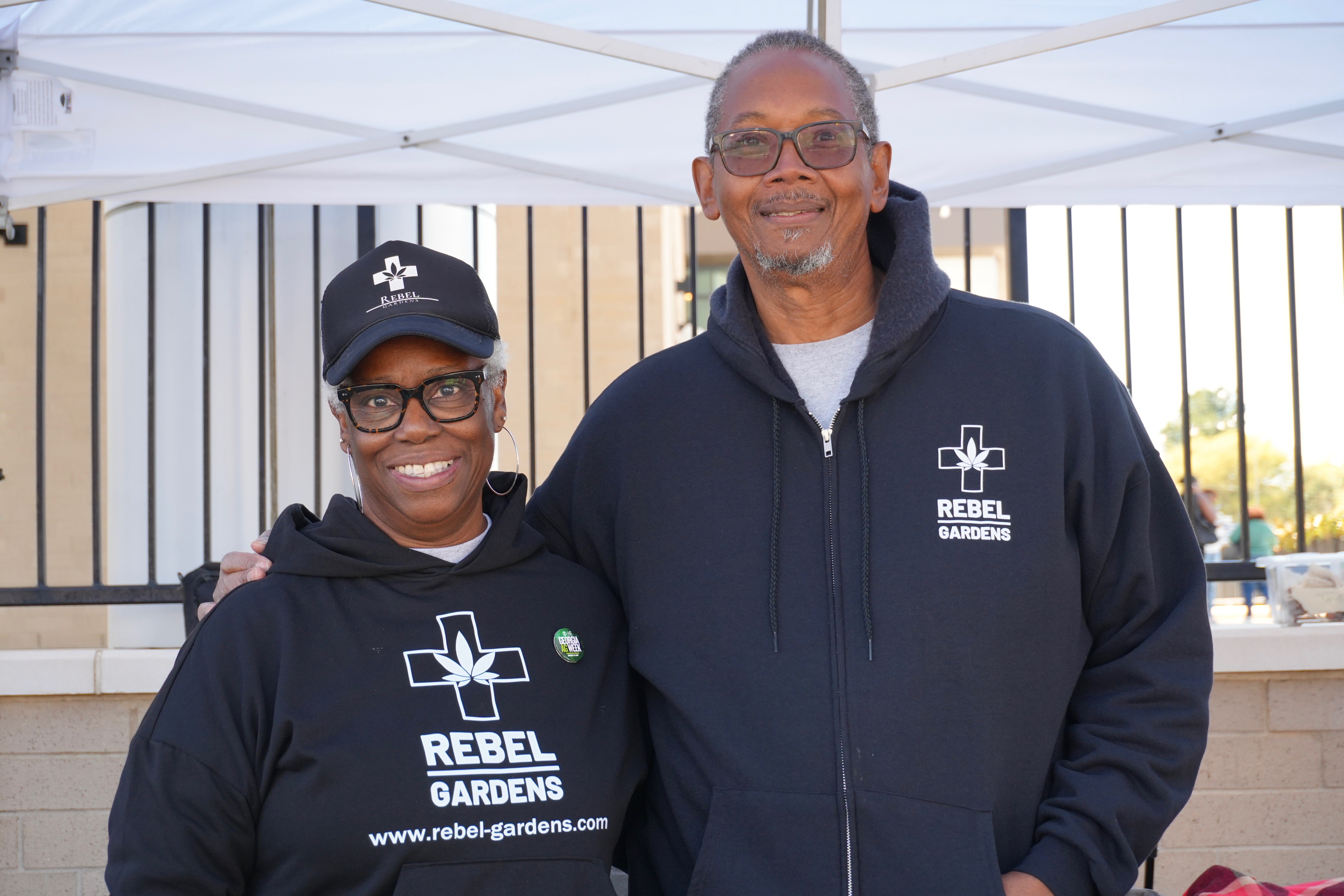
In 2020, just after Georgia’s Hemp Farming Act aligned with the Federal 2018 Farm Bill, Barbara and Michael Sharpe took a longer look at land that had been in Michael’s family for over 80 years. The universal pause that the pandemic brought also called these two Atlanta-born Georgians back to southwest Georgia, to steward something that had been waiting for them behind the noise of a once bustling, then paralyzed, society.
Timber used to occupy the majority of those fields. But when Barbara and Michael caught wind of the rise of hemp, they saw an opportunity to realize the farm into modernity through a time-tested crop. They would become, against all odds and all expectations, among the first ten licensed hemp growers in the state of Georgia.
The saying goes: make new friends, but keep the old. Ideas cannot stand alone without paying homage to the past, which they did by naming their original products after the women who came before them. Manerva, Michael’s great-great-grandmother, born 1837, and Julia, Barbara’s grandmother. The namesakes alone carrying the weight of progress.
Rebel Gardens began with the plant. Hemp offers dozens of distinct health and wellness applications across three core therapeutic categories. Dietary nutrition, topical skincare, and cannabinoid-based therapies. It was that last category, the forgotten science of healing through the plant’s cannabinoid properties, that drew the Sharpes deepest into the industry. The community surrounding the farm, one of the poorest regions in Georgia, called to them too, as a way to give back. What began as a potentially lucrative endeavor quietly morphed into something purpose-driven: a movement to care for the land, educate the community, enlighten the industry, and merge the struggles of the past with the anxieties of the present.
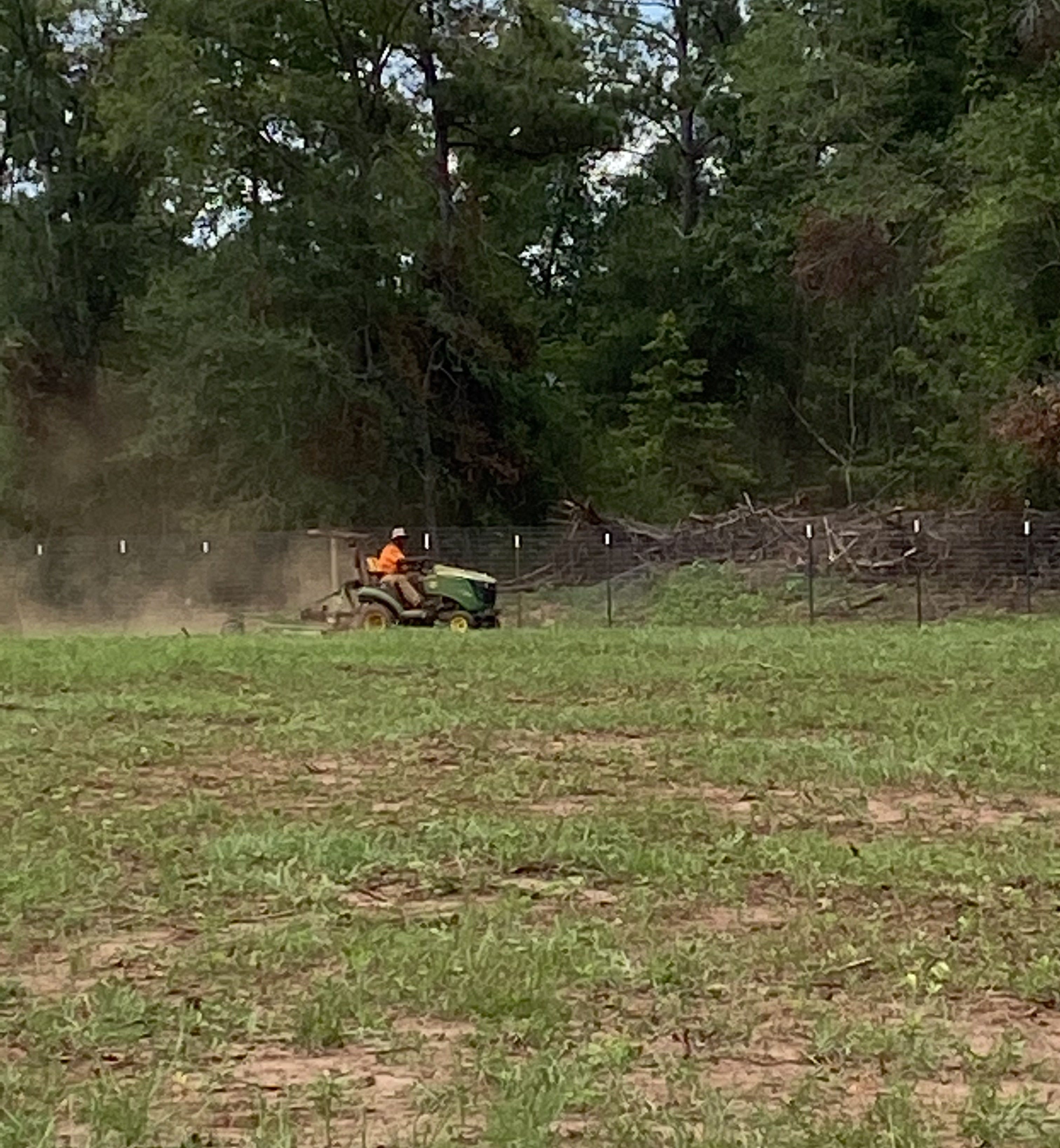
“We’re not in here just for the money,” Barbara told me on a Monday Zoom call, her poppy red blouse bright against the screen, her smile brighter still. “We went into it with a whole different mindset — community, helping people. The money, we figured, will come.”
Gratitude soon flowed into their psyches from the soil. An understanding took root: that while they were not tending the land for their primary livelihood, Rebel Gardens had linked them to the past in ways our modern comforts simply cannot.
Barbara spent her career as a woman who built her professional life understanding the rules of complex industries during her tenure at Intuit as a Regulatory Compliance Manager. There is something almost poetic, then, about stepping from one highly regulated world into another. Except this time, with red Georgia clay under her nails in lieu of a keyboard beneath her finger pads.
Coming from that corporate background, Barbara’s career had lent itself to a certain kind of appearance… literally. Afternoons as a childhood bookworm had echoed into boardroom meetings ornamented with professionally manicured nails and, of course, air conditioning. The South’s sweltering summers force even the toughest farm-bred people indoors, but the Sharpes embraced the Georgia clay as it embedded itself in their Atlanta-born palms.
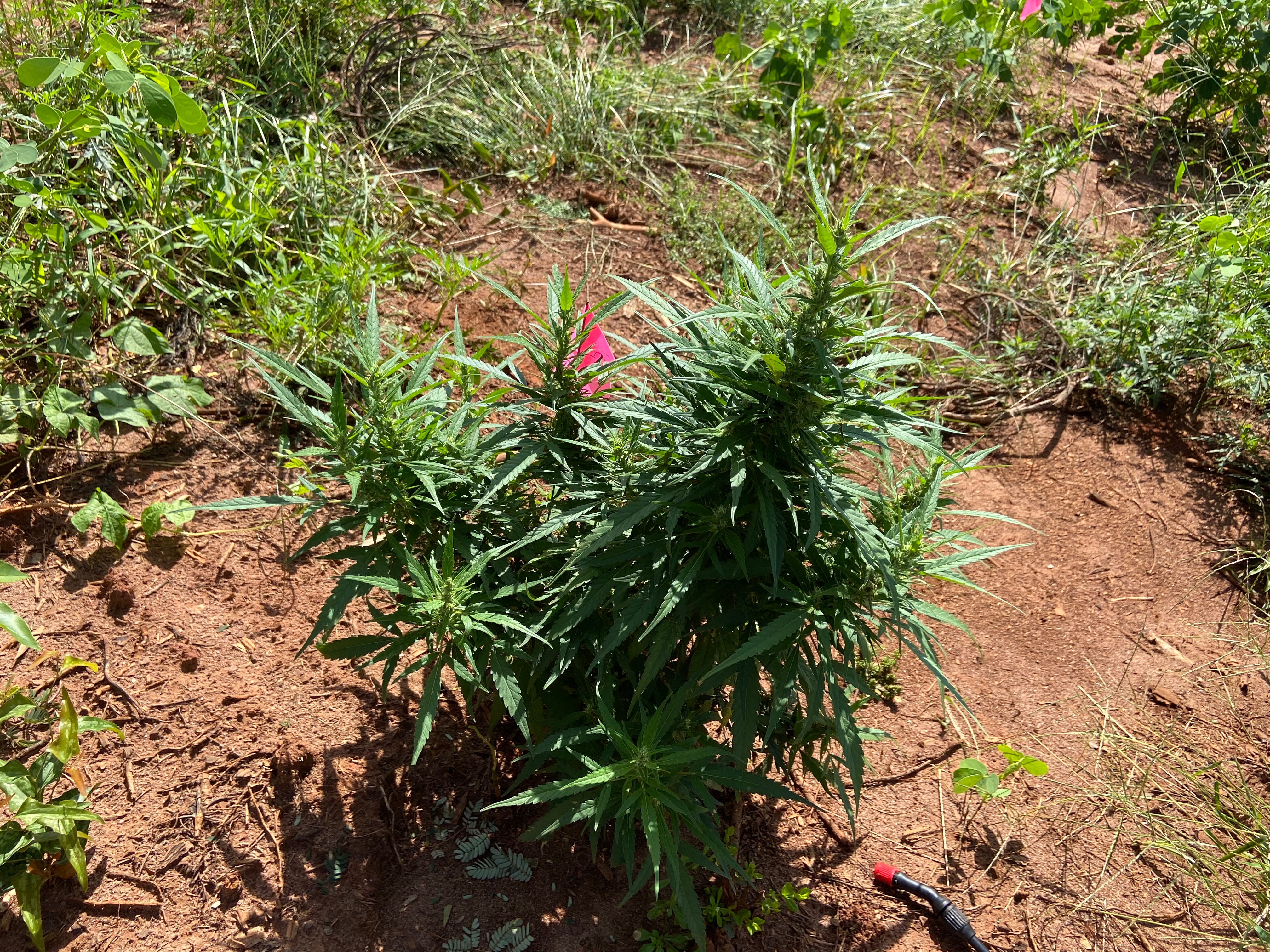
“I went to take a shower after our first day of fence posts,” she laughed, “and there was all this red. I was like, where did all this red dirt come from?”
But this time, a woman turns the captain’s wheel. Talk about flipping the script on a traditionally patriarchal agrarian role.
Resolved to provide genuine wellbeing to the customers she sees as far more than data points, Barbara found unexpected therapy in planting individual seeds, hammering fence posts into the earth, and watching something grow from nothing. “I found a lot of peace in working with my hands,” she said. “Even though it was still hot and sweaty, I found therapy in it.”
From admin to weekend pop-ups, as with every entrepreneurial endeavor, the hours billed become a thing of the past. Building a business is a collaborative, 24-hours-a-day, seven-days-a-week operation that adapts with the ebbs and flows of an industry still working to shed taboo.
And the taboo is real. I know it personally. Twenty months sober, still negotiating what healing looks like. And still, if I’m honest, asking myself: am I allowed to do this? Hemp carries the weight of stigma that doesn’t always distinguish between the plant and its associations, and for those of us in recovery, the question of what is safe and what is healing and what is just another way to numb can feel impossible to untangle.
But the Sharpes run toward that dissonance. They do pop-ups on days when they make $25 in six hours, and happy for the connective links because “now people came in contact with us and our product. We were able to take away a little of that stigma, because you’re actually talking to real people who say: we know this plant, because we grew it.”
Homegrown wellness. For real.
The candle line came the way all good ideas come, from listening. Customers who didn’t want to ingest anything still needed relief. Still needed sleep. Still needed somewhere to set down the weight of the day.
“How do we get the benefits of the plant into someone’s home,” Barbara asked me, “without them having to ingest anything?”
The answer was scent. Body-calming bath bombs. Atmosphere. The environ-shifting authority of something burning in the corner of a room you’re finally, finally allowed to rest in.
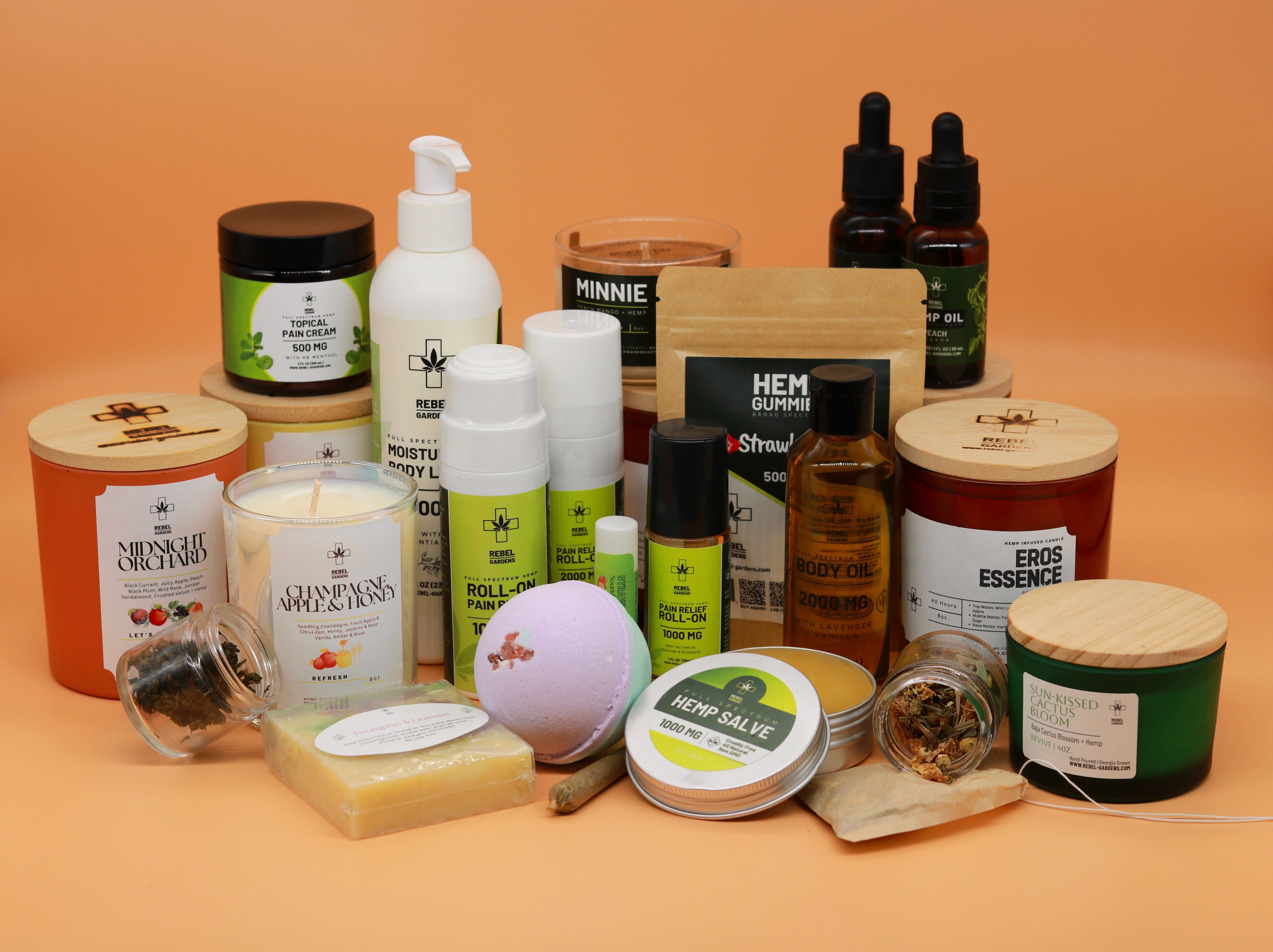
The inaugural candle line was named, again, after the women who made this possible, Manerva and Julia, a limited edition introduction that paid homage to the past before stepping into the future. Then came Tropical Mahogany — deep, woody, warm. A fragrance that doesn’t announce itself so much as settle in. Peach Tea, for the South in summer, the front porch, a glass of sweet tea and the particular mercy of watching the world go by without being asked to participate in it from a rocking chair.
“Make sure it’s a scent that resonates with you,” Barbara said, “because it’s going to ignite different things. Someone next to you might not like it, but to you? It speaks to your soul.”
I have been burning the Tropical Mahogany candle for several weeks now. I light it the way Barbara described, alongside a cup of tea, before a bath, as a signal to my nervous system that the performance of the day is over. That the moment is mine.
One of the most tangible pieces of advice in recovery is also the simplest: change your space. Move a blanket. Open a window. The idea being that the body follows the environment which can coax your stubborn mind toward peace by building it, physically, around you.
A hemp candle is that, distilled. Not a cure nor a substitute, but eventually a ritual respite.
“Light the candle,” Barbara said. “Steep your tea. ‘I am now transitioning — releasing all of that. This is a moment of self-care. And I can have a good night’s sleep.’ Pain free.”
Instead of ruminating, a candle. Instead of striving, a slow burn.
Seedlings of serenity, for the rebel in us all.
The Sharpes don’t know exactly what is next for Rebel Gardens, but doors are always opening. Barbara said as much at the end of our call, with the ease of someone who has made her peace with uncertainty. “We don’t know where this is going to lead, but we’re open to all of it.”
That feels right for a brand built on a plant that has been misunderstood, underestimated, and subserviently, healing people anyway. It feels right for a family farm that survived generations it wasn’t supposed to. It feels right for anyone who is building a life they actually want to be present in.
For Rebel Gardens and Little Edits Atelier, the candle is already lit.
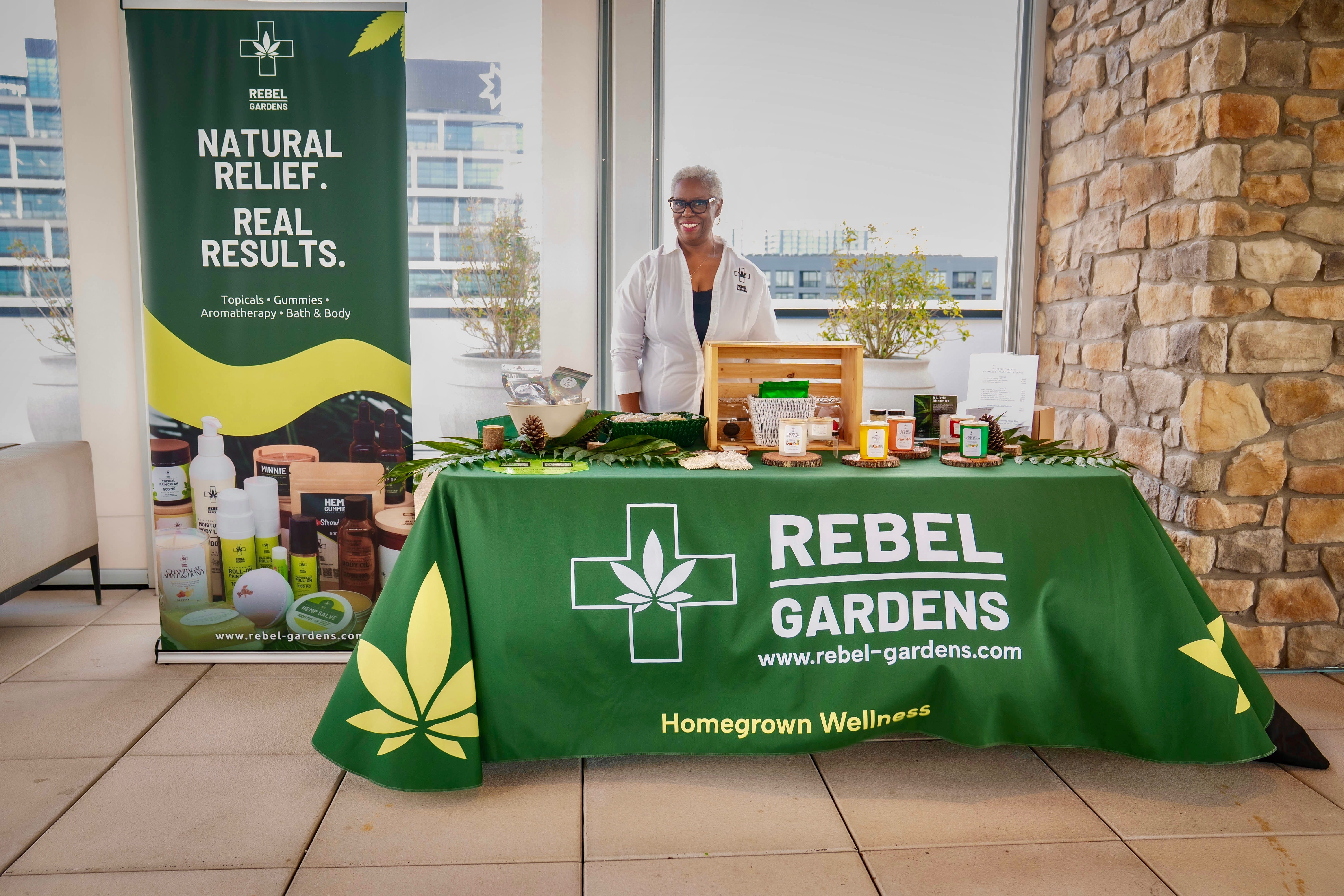
Rebel Gardens products are available at rebel-gardens.com. Also featured on My Wellness Shelf
Little Edits Atelier is a reader-supported publication. If this piece moved you, consider sharing it with someone who needs a slow burn of peace today.
you're such a good writer! loved this read :)
Checking out this brand! Thank you for sharing. That transition from corporate to running a business is really cool. I do not consume due to medications I take, so I truly appreciate them thinking about those who prefer not to ingest.